
Your cart
15,000+ customers
use our supplements daily.
There are no more items in your cart
If you are constantly told to watch what you eat, it is not to annoy you, but rather to protect you. Indeed, a bad diet attacks your intestinal flora and leaves the door open to pathogenic bacteria. Your immune system takes a hit. Fatigue, nausea, infections... To get rid of them, why not rely on natural remedies?
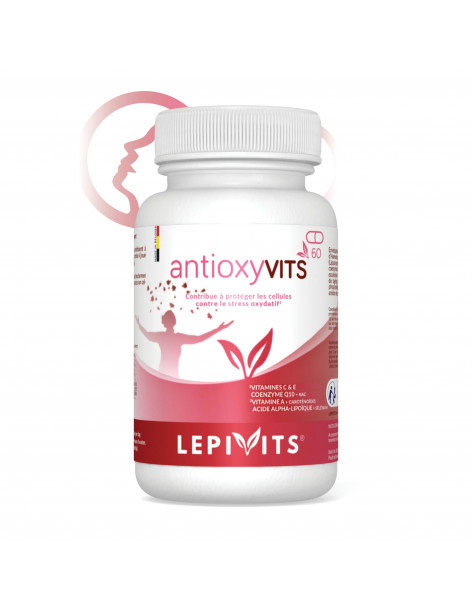
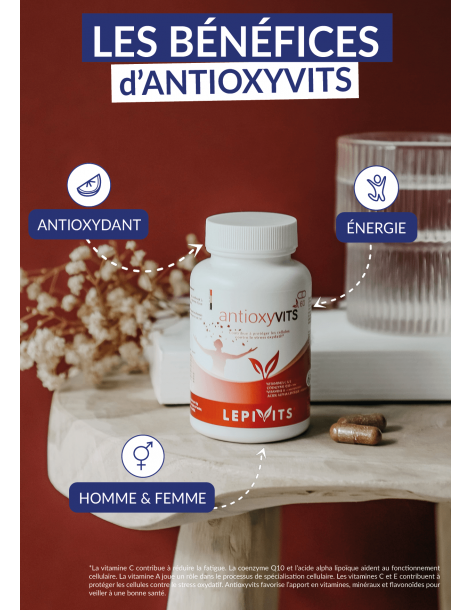
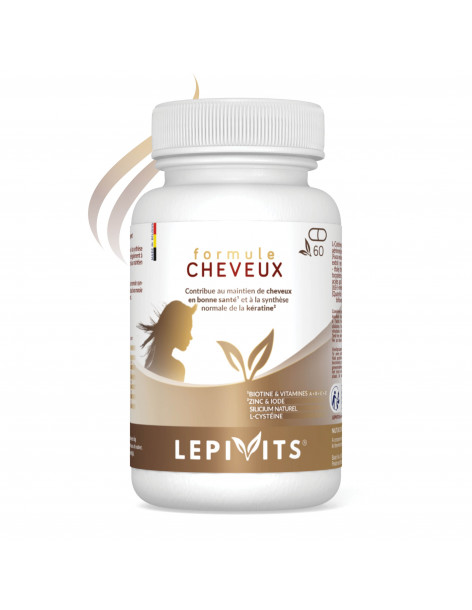
When natural remedies are mentioned, we tend to immediately think of grandmothers’ remedies. Why ? Quite simply because our grandmothers had and still have the reflex to cure minor ailments as well as large ones, using natural everyday products: honey, lemon, essential oils, roots and other plants found in all kitchens. In addition to being natural, they are easy to prepare, quick and cheap. Just to avoid pharmaceuticals like drugs, capsules and medical tablets, which did not necessarily exist.
Nowadays, the term "natural remedy" has broadened to encompass all means of healing that have natural ingredients. You can find them in particular in the form of vitamins, enzymes or oil, in nutritional supplements or creams that are directly applied to the body. Many branches of alternative medicine specialize in natural healing, such as naturopathy and herbal medicine.
This branch is recognized by WHO as the 3rd traditional medicine after traditional Chinese and Ayurvedic medicines. It is a set of treatments based on natural and organic remedies, to ensure the well-being and strengthen the immune system. Its holistic philosophy considers the individual to be plural, insofar as he himself is an actor of his physical, mental, energetic, emotional and spiritual health, in harmony with the environment. Thus, naturopathy encourages physical and respiratory activities, stress management and eating as natural as possible and questions the state of our vitality. Of course, it does not replace conventional medicine, but supplements it, for example with natural nutritional supplements.
This type of therapy, close to naturopathy, is all the care solutions using medicinal plants: sleep, slimming, morale, it acts on all daily disorders by being satisfied with natural products, as little processed as possible. Its effectiveness is recognized, even by those involved in conventional medicine, who also consider it complementary. In fact, more and more pharmacists are taking herbal medicine training to be able to suggest herbal remedies. It is different from naturopathy because of its more concrete aspect: a symptom, a remedy. Naturopathy is more of a philosophy, even a psychology, to try even when you are not feeling sick, but want to take care of yourself.
Theoretically, natural ingredients can cure all ailments and unlike other stronger medicines, they are not toxic or harmful to your health, at least if you choose the right ones. Some plants have an analgesic effect against pain, febrifuge to lower fever, antispasmodic for digestive disorders, sedative for sleep disorders, diuretic for urinary disorders, etc. Each element has its effect and therefore corresponds to one or more symptoms. Here is a non-exhaustive list of natural remedies for everyday disorders:
Natural remedies contain, as active ingredients, a mixture of plants that can be combined, depending on the symptoms, but also other plant materials. Not all substances, natural or not, are recognized as drugs. They must first be authorized on the market and listed in the pharmacopoeia, the dictionary of drugs authorized in a country.
Both herbal medicine and naturopathy cannot use plants arbitrarily and must strictly adhere to a very strict protocol. Plant transformation into medication is fortunately subject to health and agricultural control authorities, who monitor the process, from the cultivation of the plants to the quality of the finished products.
What are the steps in transforming a plant into a natural remedy?
The advantage of natural remedies is that they are affordable and above all that they are easily found around us, such as mint, sage or thyme. You can get your herbal remedies and medicines from your pharmacy. This is the easiest and safest way for natural micronutrition. As natural remedies and nutritional supplements are a booming market, you will easily find the products you need on specialized sites like ours, experts in health cures and organic supplements, or at herbalists.
Be careful, however, do not self-medicate, which presents a real danger. St. John's Wort, for example, which is effective against depression, has been the subject of much controversy and is now subject to very strict legislation. Effectiveness must be differentiated from toxicity, which is why it is always recommended to consult a specialist before starting any treatment, no matter how natural.
 English
 Français
 Nederlands